Flexible ocean freight solutions connecting your cargo to major global trade routes.
We provide comprehensive sea freight solutions through close cooperation with leading shipping lines and our NVOCC network, offering reliable and cost-effective transportation across major international trade routes.
Through our global network, we provide competitive freight rates, flexible sailing options, and tailored logistics solutions for both Full Container Load (FCL) and Less-than-Container Load (LCL) shipments.
From booking and documentation to customs clearance and final delivery, our team coordinates every stage of the shipment while providing real-time Track & Trace and operational visibility throughout the transportation process.
Access to major global trade routes through established shipping line and NVOCC networks
Solutions for reefer, dangerous, oversized, heavy, and project cargo
Sea Freight Services
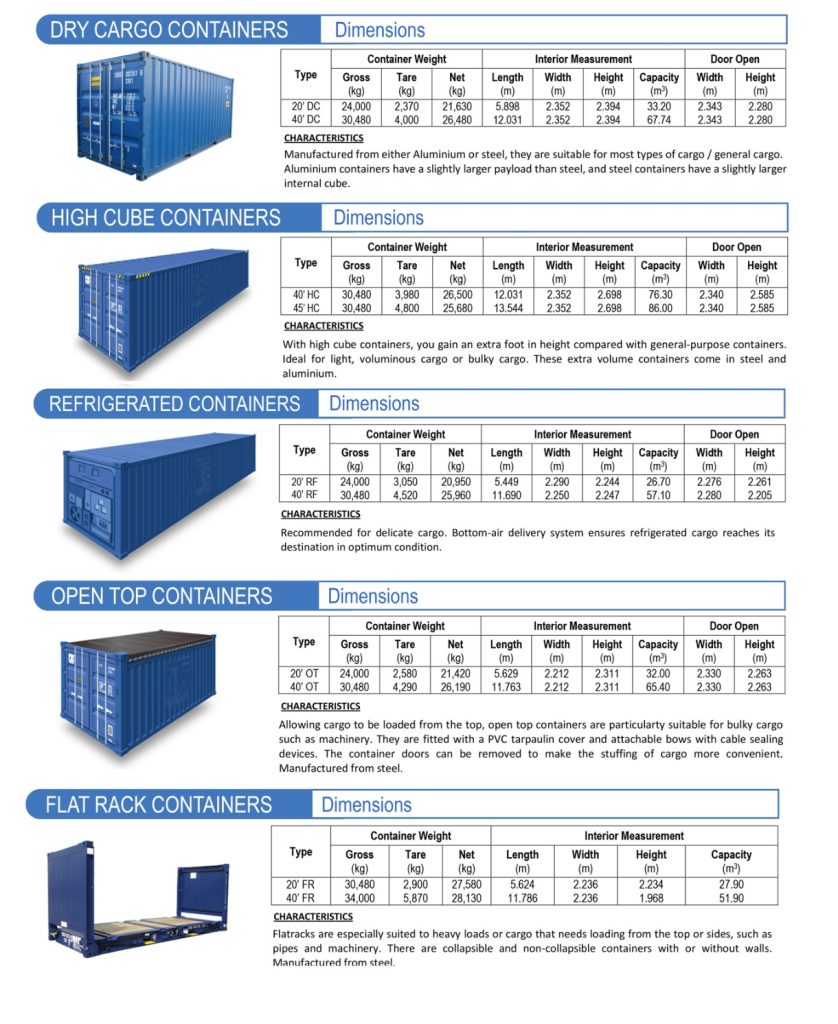
Dry Cargo Container:
Standard dry containers are fully enclosed units designed for general cargo transportation. Available in common sizes such as 20-foot and 40-foot models, they are suitable for most dry goods. These containers provide protection against weather conditions, moisture, and external damage, making them the most widely used option in global shipping.
High Cube Container:
High cube containers are similar to standard dry containers but offer additional internal height. While maintaining the same length and width as 20-foot and 40-foot models, the extra vertical space allows for more efficient loading of lightweight, high-volume, or bulky cargo that requires greater clearance.
Refrigerated Container:
Reefer containers are equipped with integrated temperature control systems capable of maintaining specific temperature ranges, typically between -25°C to +25°C depending on cargo requirements.
They are essential for transporting perishable goods such as fresh produce, meat, dairy products, seafood, pharmaceuticals, and chemical materials that require temperature stability throughout transit. Real-time monitoring systems allow continuous control during sea, road, or rail transport, ensuring cargo integrity across long-distance international shipments.
Open Top Container:
Open top containers are built without a fixed steel roof and instead use a removable tarpaulin cover. This configuration allows cargo to be loaded vertically by crane, making them suitable for heavy machinery, industrial equipment, or cargo exceeding standard height limits.
They are commonly used in project cargo operations, construction, and energy sectors. However, when loaded with out-of-gauge cargo, stacking may be restricted, requiring careful stowage planning.
Flat Rack Container:
Flat rack containers feature fixed end walls but no side walls or roof. This structure makes them ideal for transporting heavy machinery, oversized equipment, and project cargo that exceeds standard container dimensions. Their open sides allow easy loading from the top or sides using cranes or forklifts.
Our sea freight capabilities extend beyond standard containerized cargo. We provide specialized solutions for shipments requiring temperature control, dangerous goods compliance, oversized cargo handling, or dedicated project planning.
For cargo that cannot be accommodated in standard containers, we arrange Flat Rack, Open Top, and other OOG solutions. Our capabilities also include Breakbulk, Ro-Ro, and Heavy-Lift vessel services for oversized machinery, industrial equipment, and infrastructure cargo.
The appropriate option depends on cargo volume, weight, shipment frequency, transit requirements, and total logistics cost. Our team evaluates these factors before recommending FCL or LCL.
Yes. Depending on the cargo dimensions, weight, and handling requirements, we can arrange Flat Rack, Open Top, OOG, Breakbulk, Ro-Ro, or Heavy-Lift solutions.
Yes. Reefer solutions can be arranged for cargo requiring controlled temperatures, subject to commodity specifications, route availability, and carrier requirements.
After loading, the container or bill of lading number is provided to the customer, allowing shipment tracking through the shipping line’s online system.
Yes. We provide multimodal solutions combining sea freight with road and rail transportation where required to optimize routing, transit time, and overall logistics costs.
Yes, subject to cargo classification, documentation, carrier acceptance, and applicable IMDG requirements.